Eco Eye 2.0
-
GMP1 introduced me to basic circuits and early prototyping.
I learned how sensors, motors, and materials behave when they are connected in simple systems.
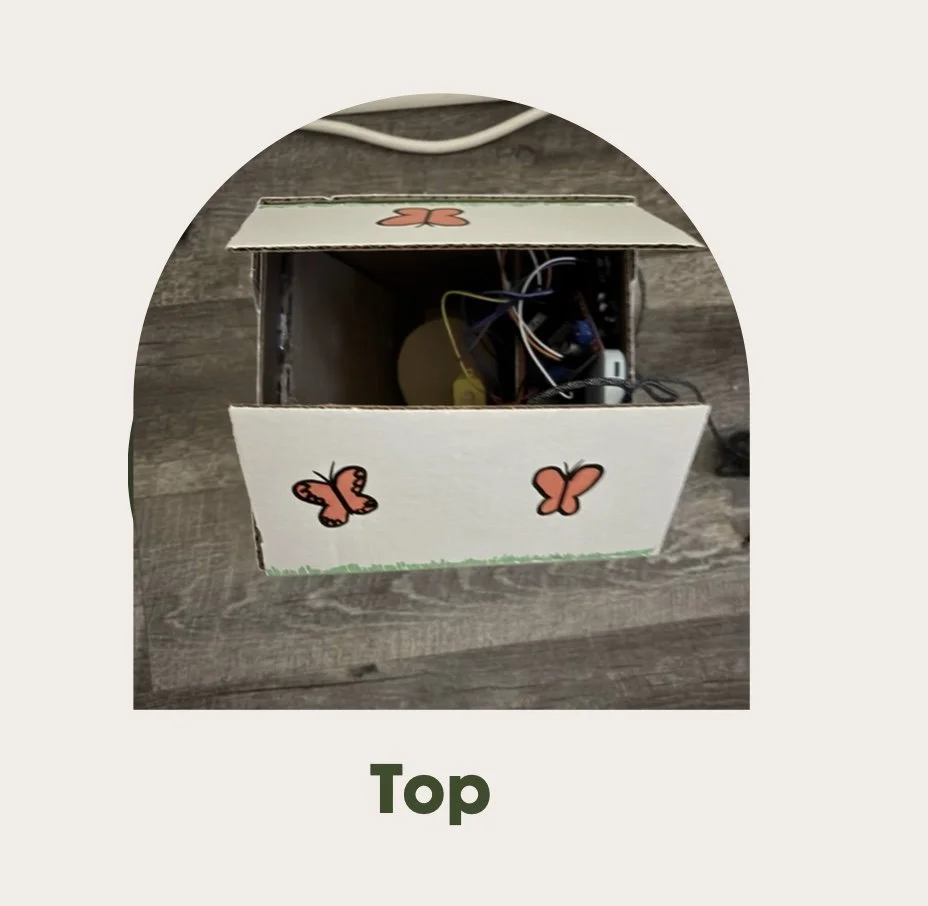
GMP2 expanded these skills through EcoEye 2.0, a redesigned wildlife feeder.
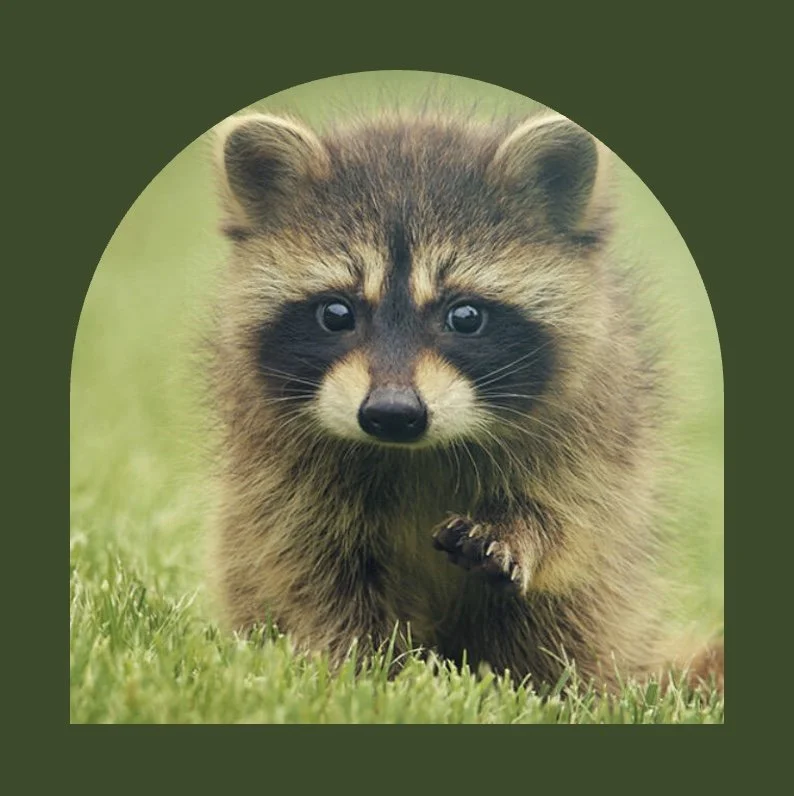
Our focus was on close-range activation, portion control, and safer wildlife interaction.
Both projects taught me how to test ideas quickly and fix problems as they appeared.
I also learned how making and reflecting work together to shape more intentional design choices.
-
I helped reinforce the structure of the box when the cardboard bent or loosened.
I helped test and adjust the ultrasonic sensor so it only activated at close range.
I worked on repositioning the motor and flap when the movement was unreliable.
I helped organize the wiring inside the box and made sure nothing blocked the sensor.
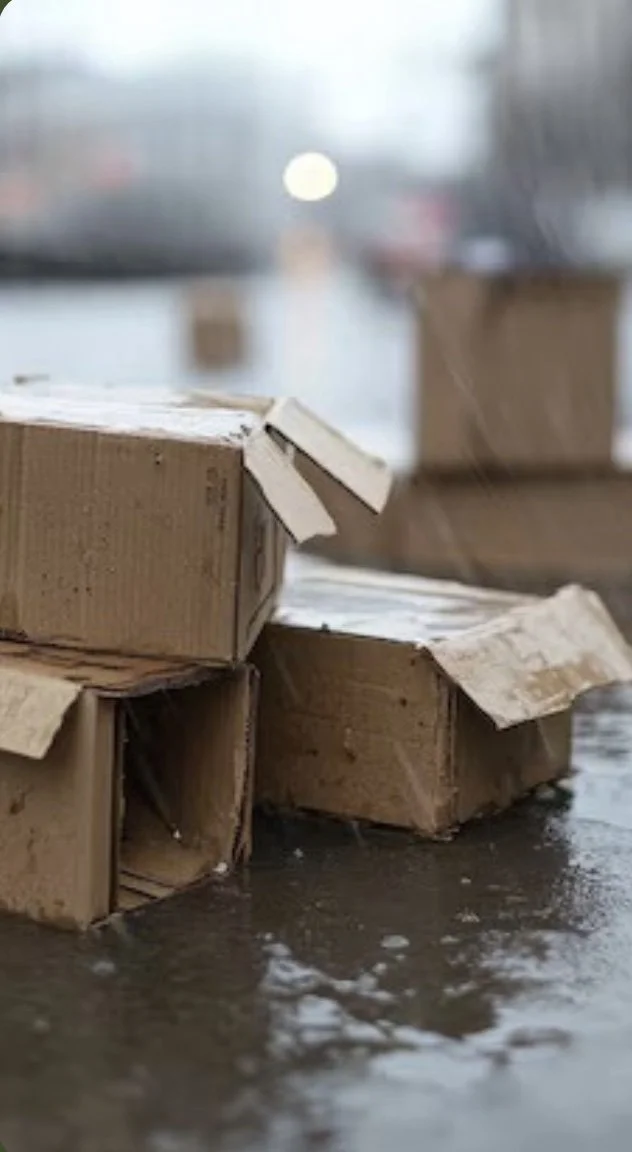
I helped apply waterproofing materials while keeping the electronics functional.
I took part in group decisions about ethical feeding, portion control, and adding the QR code.
-
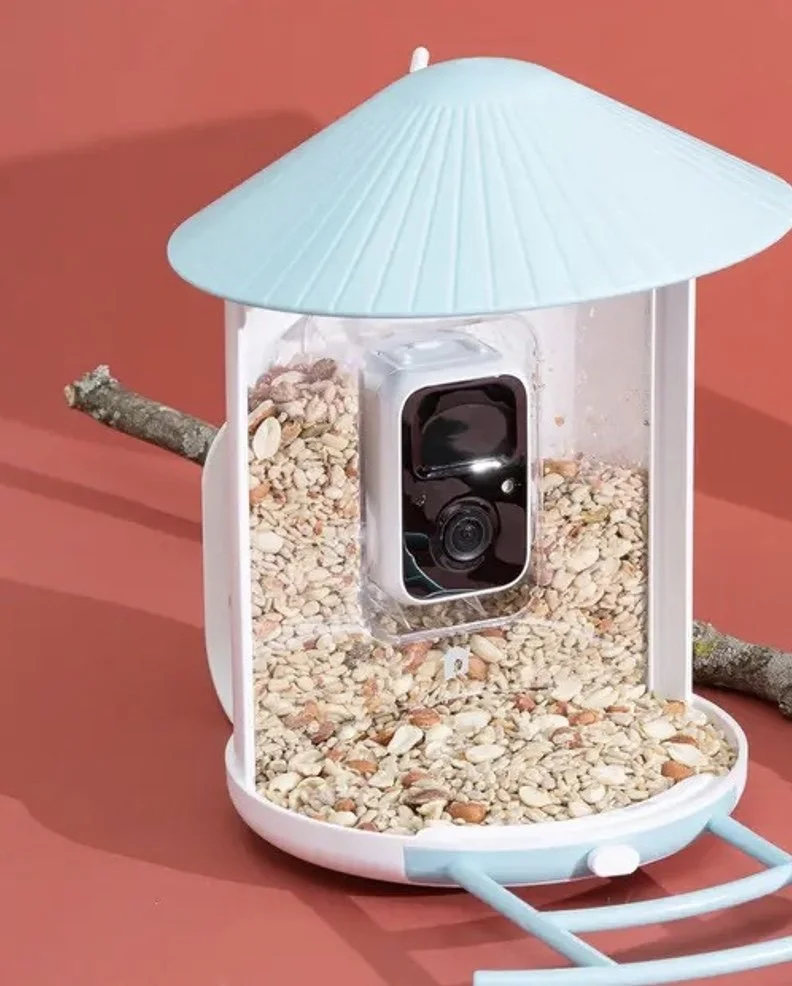
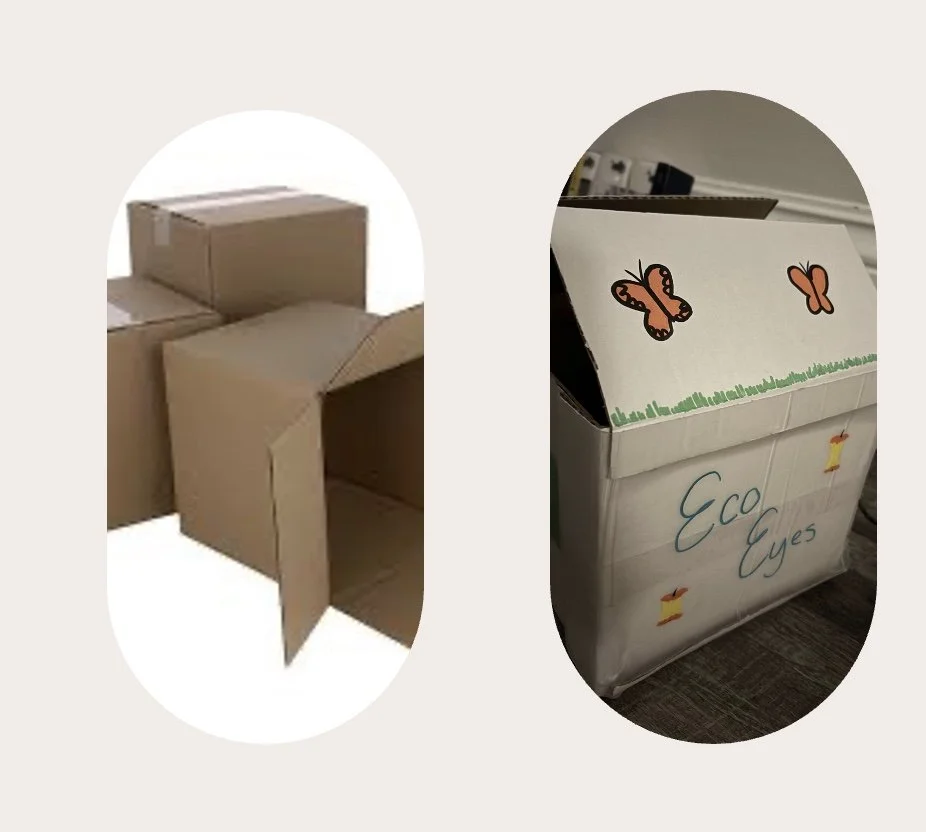
EcoEye 1.0 had several issues that shaped the direction of our redesign. The first version dropped too much food, recorded everything, and bent easily. It did not feel controlled or ethical, so our goal was to make a feeder that reacted only at close range and created safer interactions with wildlife. We also wanted to add a small learning feature through a QR code so users could understand the purpose of the design.

-
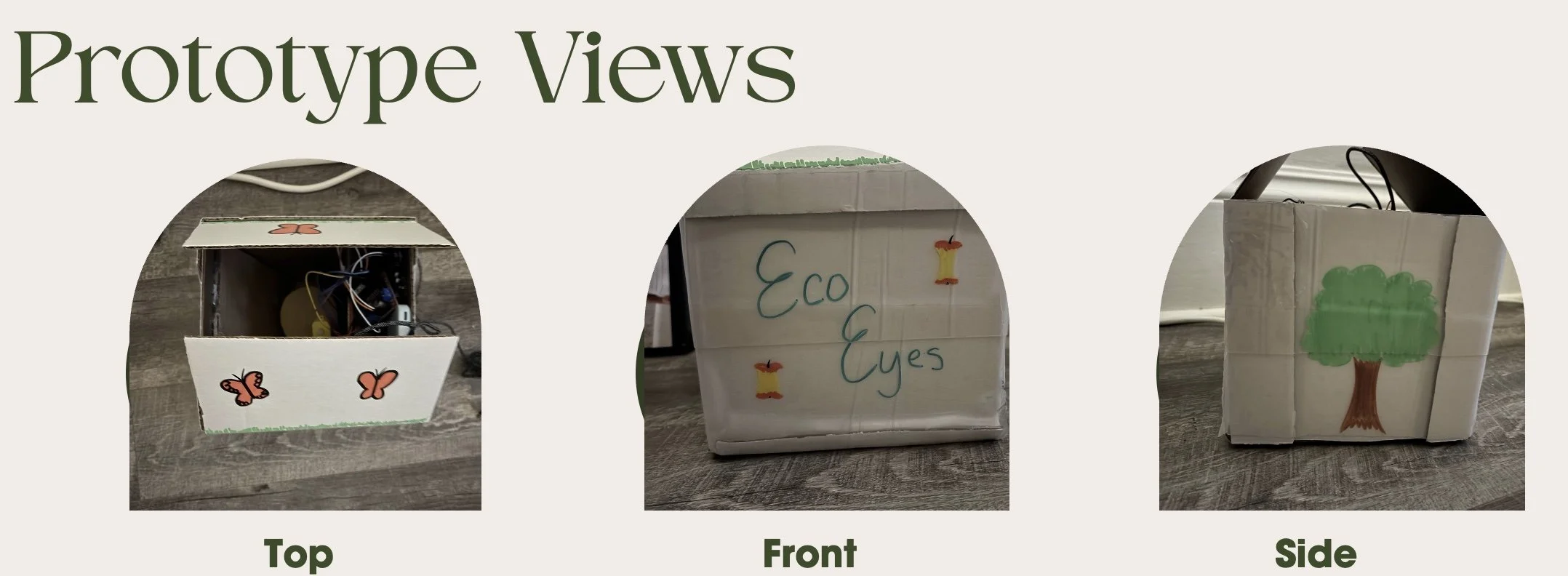
Our design approach focused on creating a feeder that reacted in a controlled and predictable way. We started by deciding which features mattered most: close-range activation, a reliable flap mechanism, and a simple structure that users could understand. We tested the sensor first, then built around it so the movement and timing stayed consistent. We also talked a lot about ethical feeding and how portion control could reduce stress on wildlife. Each step of the process involved adjusting the materials, reorganizing the interior layout, and making sure the design supported a safer interaction overall.

-
Through this project I gained experience working with Arduino and understanding how sensors and motors respond through code. I learned how to test and adjust the ultrasonic sensor so it only activated at the right distance. Building the structure taught me how materials behave and why prototypes need constant adjustment. I also learned how ethical choices shape a design, especially when thinking about how users and wildlife interact. Overall, this project helped me build confidence in troubleshooting, hands-on making, and creating systems that feel intentional and responsible.